Is your HOA Properly Handling SB 326?
The Balcony Law: What SB 326 Means for Condo/Townhouse Owners in Manhattan, Redondo, and Hermosa Beach
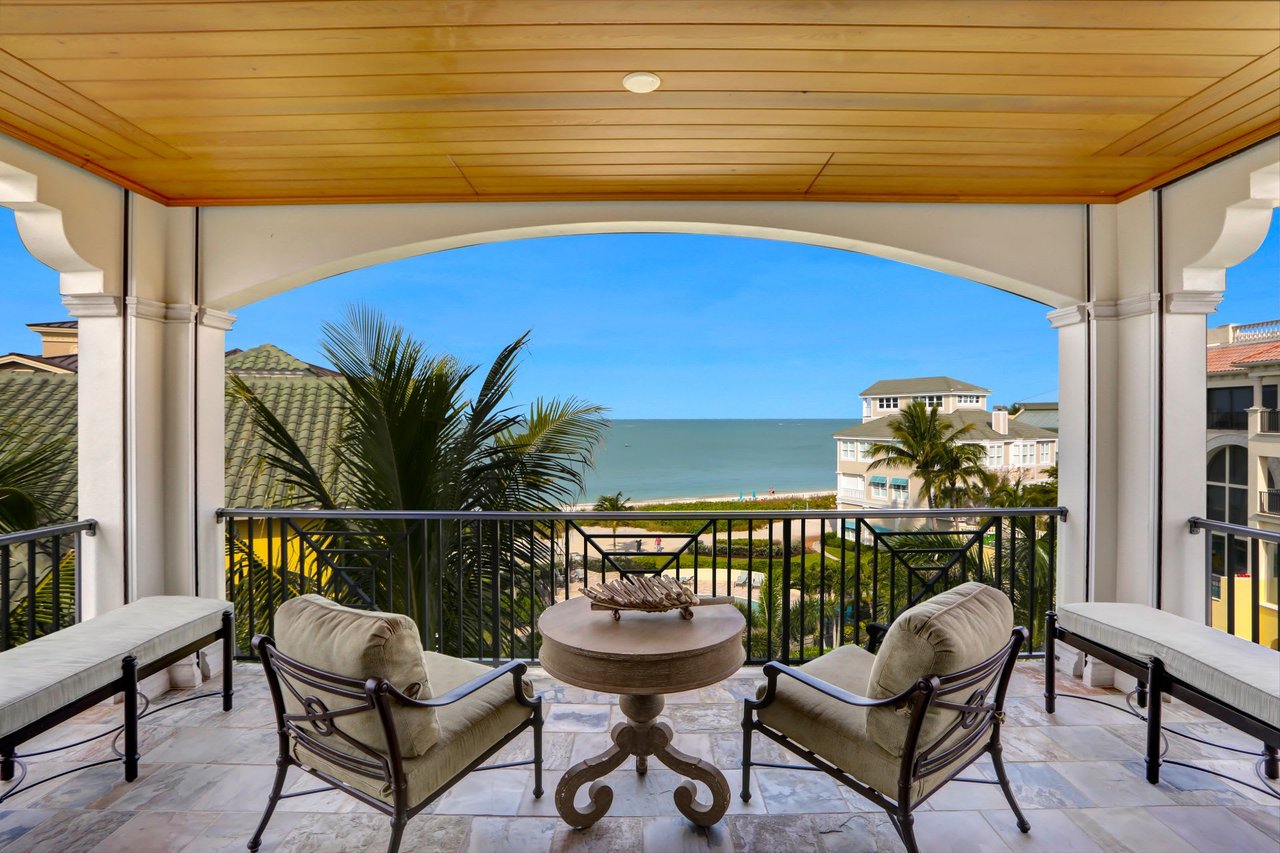
Living in the South Bay means enjoying coastal breezes, ocean views, and beautiful outdoor spaces. However, if you own a condominium or townhome in Manhattan Beach, Redondo Beach, or Hermosa Beach, your balconies and decks are now bound by a strict, mandatory state safety regulation.
There is an enormous wave of misinformation surrounding California’s "Balcony Law," legally known as Senate Bill 326 (codified as California Civil Code Section 5551). Many local homeowners and HOA board members mistakenly believe they still have time to comply.
The reality? The deadline has already passed. Missing the compliance window is actively disrupting real estate transactions, creating potential insurance liability, and stalling traditional mortgages right here in our beach communities.
Frequently Asked Questions About SB 326 in the South Bay:
Who is affected by SB 326 in Manhattan Beach, Hermosa Beach, and Redondo Beach?
SB 326 strictly applies to Condominium and Townhome Homeowners Associations (HOAs) that meet three structural criteria:
- Three or more units: The association manages a building with 3 or more total units.
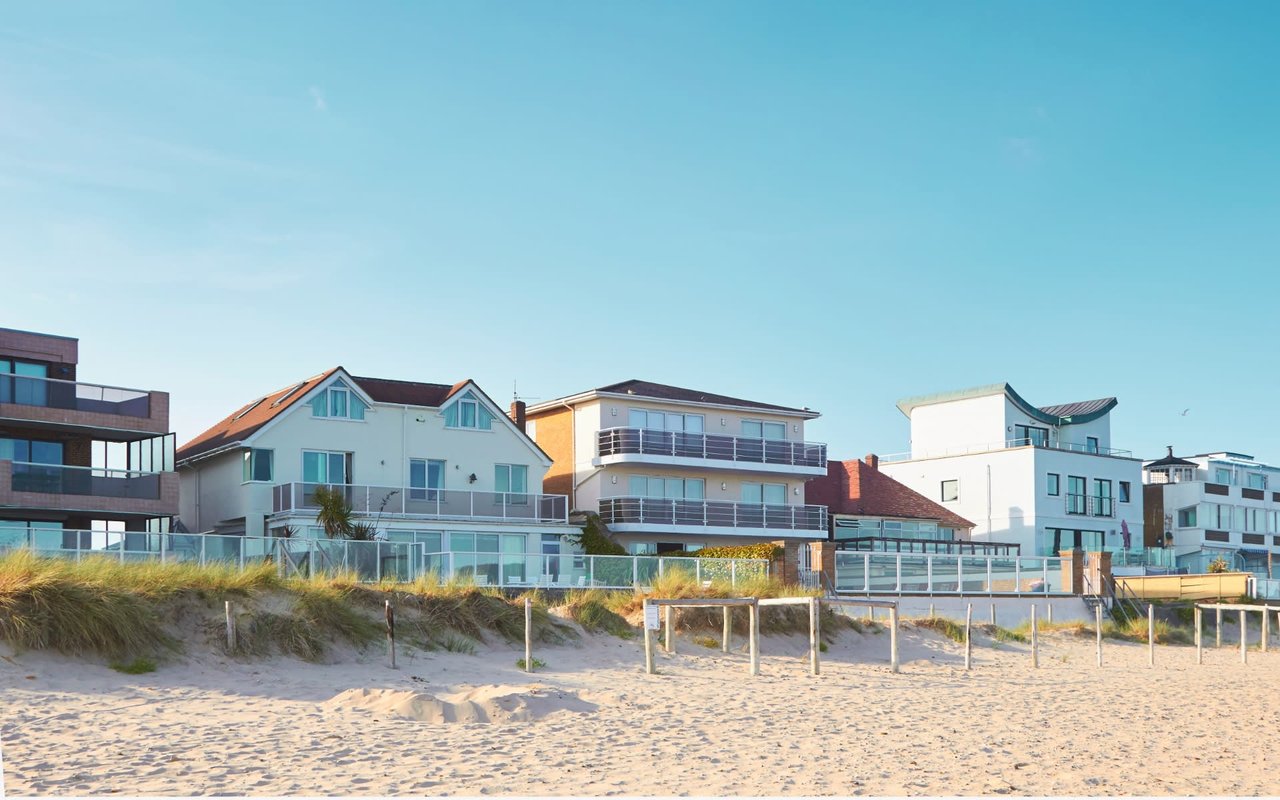
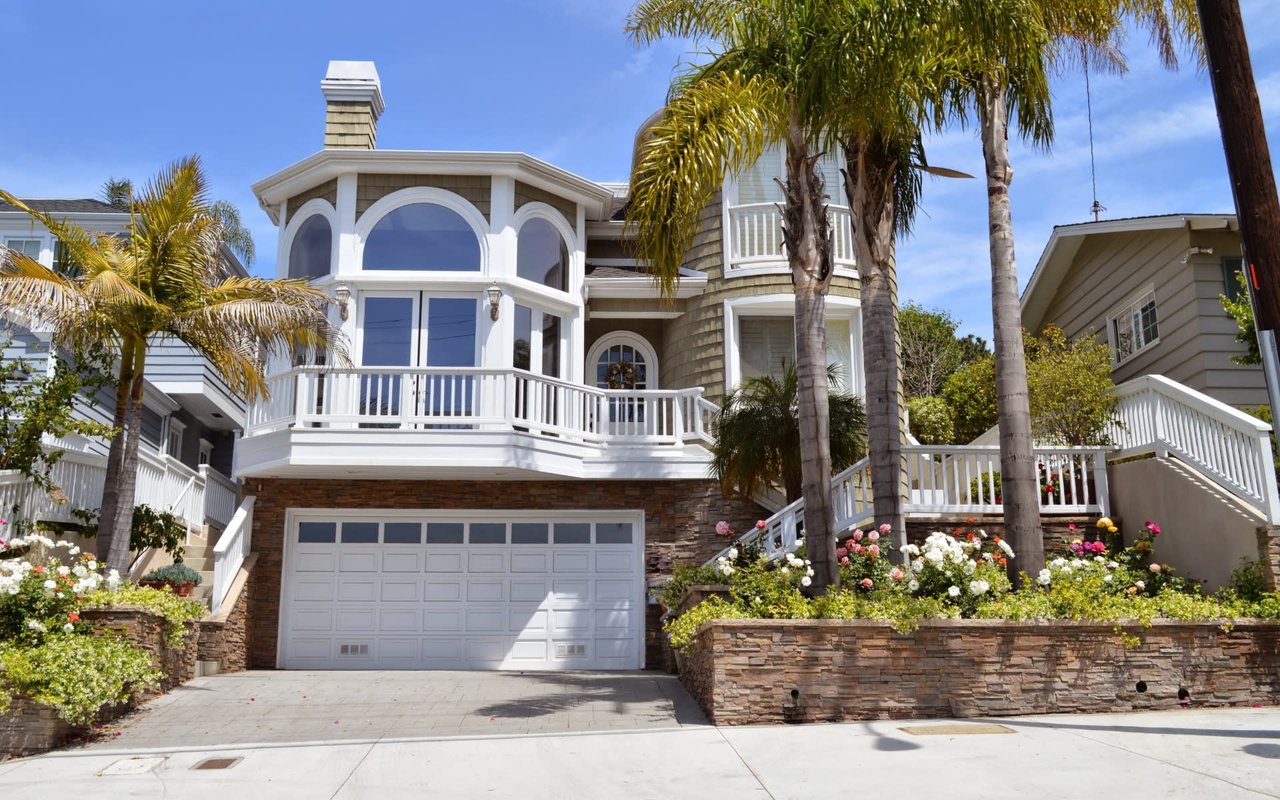
- Two or more stories: The structure features Exterior Elevated Elements (EEEs)—such as balconies, decks, porches, exterior stairways, and elevated walkways—extending more than 6 feet above ground level.
- Wood-based supports: The structural load-bearing components rely on wood or wood-based framing. Note: Even if your balcony features a concrete topping or tiled surface, if it is framed with wood underneath, it requires a mandatory inspection.
Detached single-family homes and standalone duplexes with no shared structural HOA obligations are completely exempt from SB 326.
When was the official SB 326 deadline for California HOAs?
The statutory deadline for the initial SB 326 inspection was January 1, 2025.
Much of the current internet confusion comes from Assembly Bill 2579, which extended the apartment inspection deadline (SB 721) to January 1, 2026. However, the California Legislature left the condo law (SB 326) completely untouched. Because we are currently in 2026, any South Bay HOA that has not completed its structural inspection report is officially out of compliance with state law. Once the initial inspection is done, the law requires a re-inspection every 9 years to align with regular HOA reserve study updates.
What kind of inspector is required for an SB 326 inspection?
The State of California enforces strict credential requirements for condo balcony inspections. A standard home inspector or general contractor cannot sign off on an SB 326 report. The inspection must be performed and stamped by a Licensed Structural Engineer, a Licensed Civil Engineer, or a Licensed Architect.
These professionals utilize non-destructive testing tools, like borescopes and moisture meters, to evaluate the structural integrity of the internal wood framing and underlying waterproofing systems.
What type of contractor can perform SB 326 balcony repairs?
If an inspection reveals dry rot, water intrusion, or structural wood degradation, corrective work must be completed. To protect consumers and prevent a conflict of interest, the exact company that performs the inspection is legally barred from executing the repairs.
To complete structural corrective work or waterproofing remediation, the HOA must hire an independent, licensed general contractor holding an A (General Engineering), B (General Building), or C-5 (Framing and Rough Carpentry) license.
The Real Estate Crisis: How Balcony Laws Block Condo Loans
SB 326 is no longer just a background legal issue—it is actively impacting property values and escrows in Manhattan Beach, Hermosa Beach, and Redondo Beach.
Under current California resale disclosure requirements, when a condo unit goes up for sale, the HOA must provide the most recent SB 326 balcony inspection report to prospective buyers during escrow.
This requirement is where traditional lending has hit a brick wall. Major banks, conventional mortgage lenders, and underwriters are heavily scrutinizing these reports. If an HOA has completely missed the statutory deadline, or if the report indicates that structural repairs are required but have not yet been completed, most traditional lenders are flat-out denying buyer loans. This freezes transactions, stalls escrows, and leaves sellers stranded.
Specialized Financing Solutions for Small South Bay HOAs
Because the South Bay real estate market is packed with intimate 3-to-10-unit condo communities, a single non-compliant balcony report can freeze lending for an entire building.
If you are trying to sell, buy, or refinance a condominium or townhome in a building with 10 units or less, and your transaction has hit a wall due to incomplete SB 326 inspections or pending structural repairs, specialized help is available. Traditional banks may say no, but there are custom financing paths designed specifically for this scenario. Reach out to Jagger for options.
Get Your Escrow Moving:
If you need a direct referral to a specialized lender capable of handling financing, purchases, and refinances on smaller South Bay buildings 10 units or less—even if the SB 326 repairs are incomplete - reach out to Jagger Kroener today. Let's find a solution to get your transaction closed.
Disclaimer:
This article is provided exclusively for informational and marketing purposes and does not constitute formal legal, structural, or engineering advice. Every building, common interest development, and HOA framework is unique. Homeowners, buyers, and HOA board members should consult with a qualified California real estate attorney, a licensed structural engineering firm, and certified building professionals before making any statutory compliance or structural repair decisions. There are certified companies that do inspections that can provide up to date info, as deadlines and information is changing constantly.